

from the practice

Sick Leave, Shame, and the High Achiever
High achievers often meet mental health sick leave with shame, and research suggests that shame can keep people off work longer. Drawing on studies of self stigma, sick leave, and the spotlight effect, along with years of clinical experience, this article looks at why the shame hits so hard, how to protect your privacy, what to know about benefits paperwork, and how to handle those first conversations back at work. Includes a practical action steps table.

Can Your Health Benefits Cover Help With Leadership Stress?
Many leaders assume help with stress, anxiety, or self doubt has to come out of their own pocket. Here's how extended health plans treat psychological services, what goes on your receipt, and how to check your plan before you book.
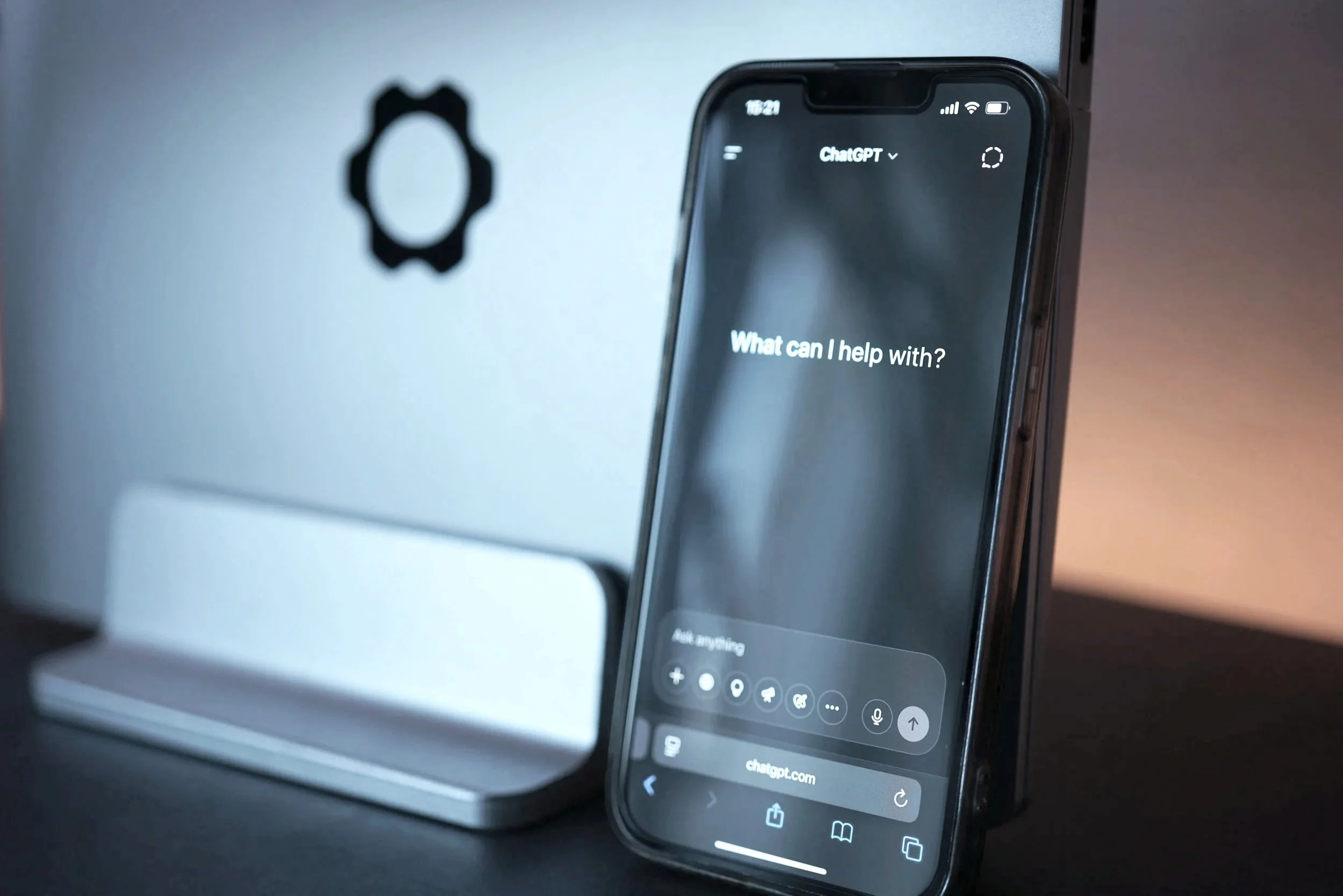
Did You Just Ask a Chatbot About Our Session?
When a client tells me they've been talking about our sessions with an AI chatbot, my first reaction is a bit of apprehension. Here's where AI can help between sessions, where it gets risky, and what a trained clinician notices that a chatbot can't.

The Straight Line Myth: Why Real Change Looks Messier Than Your Project Plan
Nobody drives a mountain road in a straight line. You climb, double back, and lose sight of the summit for a stretch, and you still arrive. Change works the same way. Here is what the research says about slips, plateaus, and the sudden jumps that make progress look messier than it really is.

The Empty Trophy: Why Hitting Your Goal Does Not Always Feel Like Winning
You finally got the promotion, and by Wednesday it feels like it happened to someone else. This piece explains why the chase feels better than the catch, which goals are built to disappoint you, and what to do so the next win actually lands.

Stuck In Your Head: The Real Cost of Overthinking, And What Actually Helps
Overthinking is not a character flaw, it is a learned pattern with a real basis in brain function, personality, and upbringing, and the evidence shows exactly where it tips from helpful reflection into a spiral that drains your clarity and your ability to act. Drawing on peer reviewed research on rumination, neuroticism, family climate, metacognitive beliefs about worry, and distanced self talk, this article walks through why the loop feels so automatic, the surprising reasons it persists, and a concrete seven step process for working through it. Includes a chart, a warning signs table, an action steps table, and information on booking virtual counselling in British Columbia or Alberta.

The Hustle Trap: Why Working Harder Is Quietly Costing You
That 4:47 am LinkedIn post about closing deals while you slept is not proof you are behind, it is a symptom of a pattern researchers can actually study. This piece breaks down what the evidence says about hustle culture, why some pep talks backfire, and what to do instead.

Why Work Life Integration Beats Work Life Balance
This article explains why work life balance, the idea that work and personal life should carry equal weight, does not hold up under research. It introduces work life integration as a more realistic alternative, covering how life stages reshape what fit looks like, what the pandemic revealed about working mothers, a gender gap in who feels entitled to use flexible work practices, and three concrete steps for putting integration into practice, all backed by peer reviewed studies.

The problem with being told that you are too nice
Why capable, hardworking women stall before the top, what the research says about the double bind, and how to reclaim being nice on your own terms.

Online Services Made Simple
Executive coaching by video, wherever you are in British Columbia or Alberta. The same personalized, evidence based support, without the commute.

What To Expect At Your First Session
Wondering what to expect at your first session? A warm, judgment free conversation about your goals and whether coaching is the right fit.